

Yuncheng, Shandong — Cold winter weather presents a severe challenge for heavy-duty commercial truck drivelines. Lower ambient temperatures cause gear lubricants to thicken dramatically, impairing fluid flow, increasing internal drag, and accelerating mechanical wear during cold starts. When transmission gears and drive axle differentials operate without immediate, adequate lubrication, driver feedback often describes a sluggish, underpowered, or "heavy" vehicle response.
Selecting the correct winter-grade, low-temperature gear oil is essential to ensure rapid fluid circulation, minimize frictional resistance, protect precision gears, and preserve driveline efficiency.
Key Factors for Selecting Winter Heavy-Duty Truck Gear Oil
1. Low-Temperature Viscosity & Flowability
Standard summer or multi-grade gear oils can become viscous and paste-like at freezing temperatures. High-performance winter gear lubricants feature low pour points and superior low-temperature fluidity, ensuring oil reaches critical gear teeth, bearings, and synchronizers within seconds of cold starts.
2. SAE Viscosity Grade Selection
Heavy-duty truck manual transmissions, transfer cases, and drive axles require appropriate SAE viscosity ratings tailored to regional winter conditions:
- 75W-90 / 75W-140: Ideal for extreme winter environments (temperatures dropping below -20°C to -40°C), offering outstanding cold-flow characteristics while maintaining strong thermal film strength during heavy loads.
- 80W-90: Suitable for moderate winter climates where ambient temperatures remain above -18°C.
- 85W-140: Primarily restricted to warm/summer conditions or tropical export markets.
3. API Service Performance Rating (GL-5 vs GL-4)
- API GL-5: Formulated with extreme-pressure (EP) additives for heavy-duty drive axles and hypoid differential gears subjected to high load, high torque, and shock loading.
- API GL-4: Formulated with lower active sulfur/phosphorus content specifically for manual transmissions and synchromesh gearboxes to prevent corrosion on brass or bronze synchronizer rings.
Winter Driveline Maintenance Recommendations
- Conduct Pre-Winter Oil Changes: Drain and replace aged, degraded gear oil before the cold season begins to clear out moisture, metal particles, and sludge accumulation.
- Never Mix Unmatched Viscosities or Brands: Avoid blending different gear oil grades or chemical formulations, as additive incompatibility can lead to oil foaming, seal swelling, or fluid breakdown.
- Allow Cold-Start Warm-Ups: After starting the truck in freezing conditions, allow the engine and driveline to idle briefly and drive at low speeds for the first few kilometers to distribute oil evenly before operating under heavy payload.
Manufacturing Standards and Driveline Quality at Yuncheng Jianxing
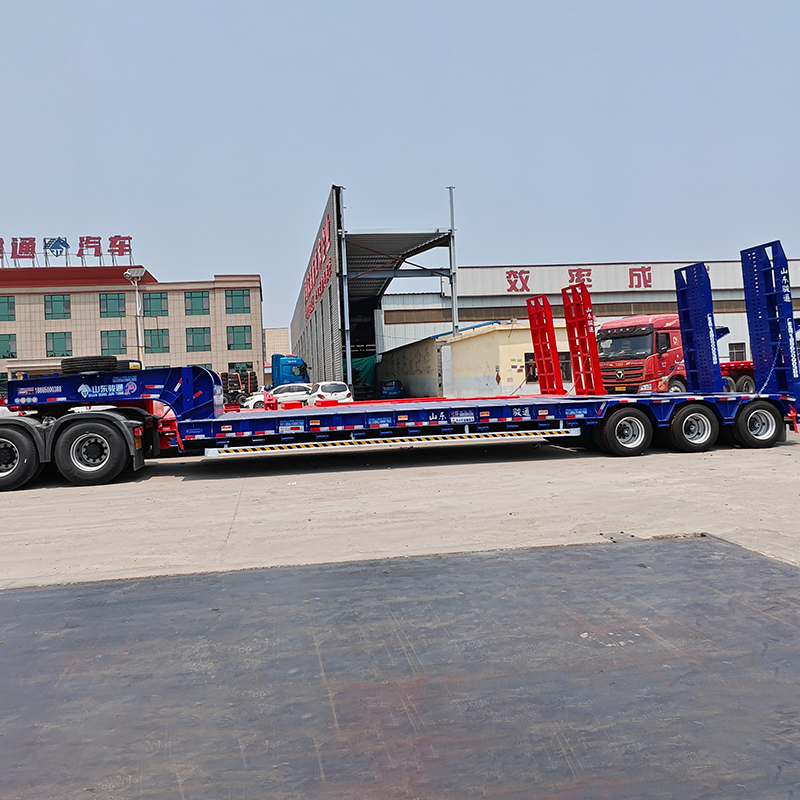
Driveline longevity relies on combining premium lubrication practices with superior chassis and axle engineering. Operating a 140-acre smart manufacturing plant with an annual production capacity of 9,000 units, Yuncheng Jianxing Special Vehicle Manufacturing Co., Ltd. engineers heavy-duty lowbed semi-trailers, container skeleton trailers, and heavy dump trailers built to withstand extreme winter transport conditions.
Serving as a designated OEM manufacturing partner for Sinotruk and Dongfeng Commercial Vehicle, Jianxing integrates 27 national utility model patents and operates under ISO9001 and CCC quality certifications, exporting dependable commercial vehicles to over 20 countries worldwide—including maintaining the No. 1 market share in Vietnam for 5 consecutive years.