Yuncheng, Shandong — Long-haul commercial drivers spend up to 8 to 12 hours a day seated behind the wheel, enduring constant vibration, road shocks, and limited physical movement. Over time, poor seating posture, lack of lower-back support, and localized pressure on the gluteal muscles and coccyx (tailbone) lead to chronic pain, numbness, reduced circulation, and conditions like hemorrhoids or lower-back strain.
Implementing ergonomic seat adjustments, using supportive cushions, and performing quick lower-body stretching routines during service stops help relieve tailbone pressure and protect driver health.
I. Ergonomic Driving Posture & Cab Setup
Correcting sitting posture reduces vertical compression on the lumbar spine and distributes body weight evenly across the seat cushion.
1. Maintain Proper Upper Body Alignment
Keep your head, neck, and torso aligned, leaning slightly forward with shoulders relaxed and upper arms hanging naturally. Bend your elbows at a 90° to 120° angle while holding the steering wheel to prevent shoulder strain.
2. Ensure Firm Foot and Leg Support
Keep both feet flat on the cab floor or pedal heel-rest. Proper foot support prevents excessive strain on the hamstrings and reduces pressure on the back of the thighs.
3. Use Lumbar and Tailbone Support
Place a rolled towel or ergonomic lumbar cushion behind the lower back to maintain the natural inward curve of the spine. For drivers experiencing coccyx pain, select a breathable, U-shaped memory foam seat cushion that relieves direct contact pressure on the tailbone while promoting air circulation to prevent heat accumulation and hemorrhoids.
4. Forearm Alignment
Adjust armrests so that wrists, hands, and forearms remain parallel to the floor, forming a right angle with the elbows to minimize upper-body muscular tension.
II. Active Rest Routines During Highway Service Stops
When pulling into service areas or loading docks, drivers should stand up, walk around, and shift their posture. Incorporating 2 to 3 minutes of targeted lower-body massage and stretching helps restore blood flow and reduce muscle fatigue.
1. Thigh Friction Massage (Dry Leg Wash)
Grasp the upper thigh with both hands and apply firm down-and-up sliding pressure from the hip down to the ankle, then return to the hip. Repeat several times on each leg. This movement promotes venous blood return, reduces lower-leg swelling, and helps prevent varicose veins.
2. Calf Muscle Kneading
Place the palms of both hands on either side of the calf muscle and apply firm rotational kneading motions (around 20 rotations per leg). This technique releases deep muscle tension, improves circulation, and strengthens leg mobility.
3. Controlled Calf Swings
Hold onto a trailer side-guard or staging wall for balance. Swing one leg forward while flexing the toes upward, then swing it backward while extending the toes straight back. Keep the upper body upright and alternate legs for 20 to 30 swings. This movement stretches the hamstrings, reduces calf cramping, and prevents lower-leg numbness.
III. Driver Comfort Engineering at Yuncheng Jianxing
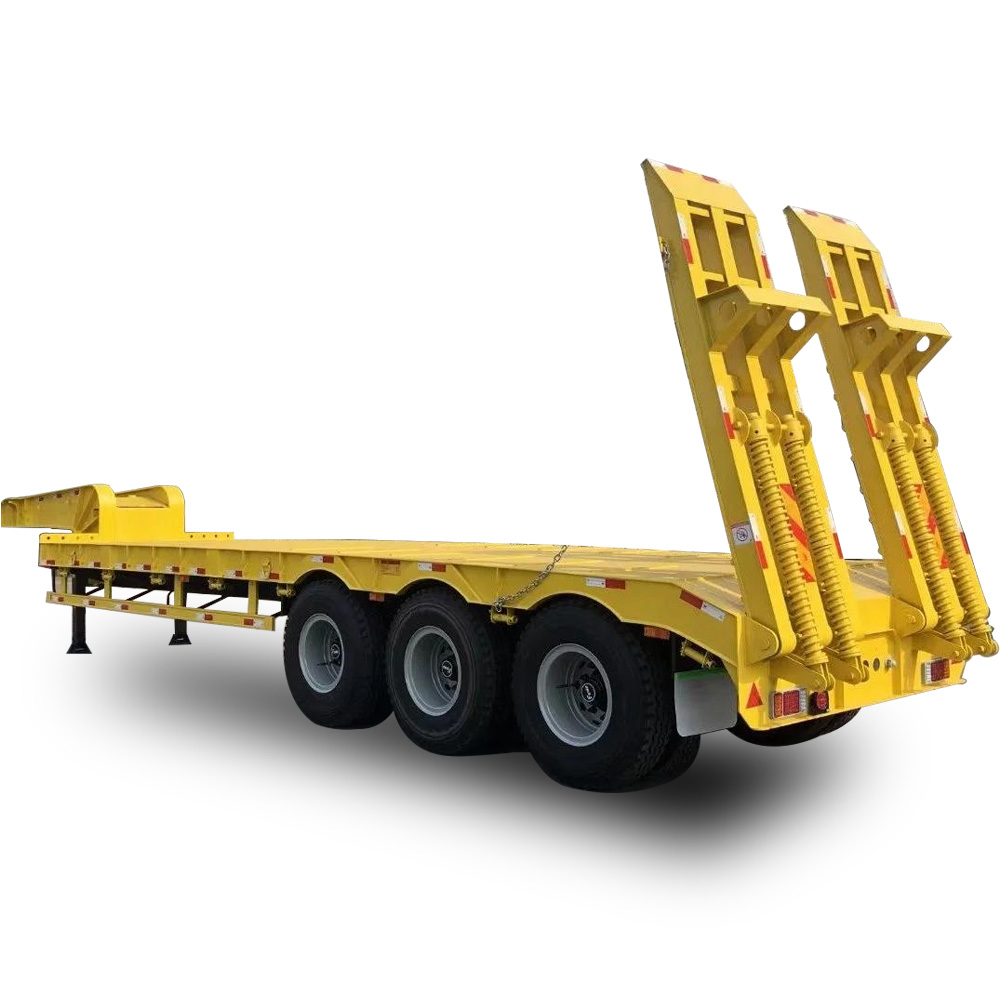
Driver health, cabin ergonomics, and long-haul comfort are integral to commercial transport engineering. Operating a 140-acre smart manufacturing facility with an annual production capacity of 9,000 units, Yuncheng Jianxing Special Vehicle Manufacturing Co., Ltd. engineers heavy-duty lowbed semi-trailers, container skeleton chassis, drop-side fence trailers, and dump trailers designed for long-distance stability and smooth towing performance.
Serving as an OEM manufacturing partner for Sinotruk and Dongfeng Commercial Vehicle, Jianxing integrates 27 national utility model patents, operates under ISO9001 and CCC quality certifications, and exports high-performance commercial vehicles to over 20 countries worldwide—including maintaining the No. 1 market share in Vietnam for 5 consecutive years.