

Yuncheng, Shandong — A common misconception among drivers is that high-speed highway driving requires fewer skills than navigating dense urban traffic. In reality, because commercial trucks and heavy tractor-trailers operate at sustained speeds exceeding 60–90 km/h, the room for driver error is drastically reduced. For every 10 km/h increase in speed, vehicle kinetic energy increases quadratically, magnifying stopping distances and crash severity.
Ensuring highway safety requires strict adherence to driving protocols, continuous situational awareness, and disciplined vehicle inspection routines.
Key Highway Operational Rules for Heavy Semi-Trailers and Commercial Drivers
1. Zero Sudden Emergency Braking or Stopping
A fully loaded semi-trailer traveling at 90 km/h requires significant stopping distance. Sudden or unannounced braking on main highway lanes creates extreme rear-end collision hazards for trailing traffic.
2. Maintain Mental Alertness
High-speed transit demands rapid hazard perception and reaction times. Drivers experiencing fatigue or reduced focus should pull into the nearest service area immediately to rest.
3. Strict Speed Control Regardless of Engine Power
Modern commercial tractors feature high-horsepower engines and automated transmissions, but high vehicle power should never justify overspeeding. Excess speed undermines trailer stability, increases rollover risks on highway ramps, and compromises braking efficiency.
4. Disciplined Lane Management
Avoid frequent lane changes, driving side-by-side with other heavy trucks, or prolonged occupation of the fast passing lane. Passing on the emergency shoulder, making abrupt turnoffs, or hard-steering at high speeds can trigger trailer jackknifing.
5. Rigorous Pre-Trip and En-Route Inspections
Before entering the highway—and during rest stops—inspect critical components:
- Tire Integrity: Check cold inflation pressures and inspect for embedded objects or sidewall cracks.
- Brake Components: Verify air reservoir pressure, brake shoe linings, and gladhand connections.
- Lighting & Wipers: Ensure all turn indicators, brake lights, and wiper blades function properly.
6. Standardized Emergency Shoulder Protocol
If a breakdown occurs, activate hazard warning lights immediately. Move all occupants behind the highway guardrail and place a compliant reflective warning triangle at least 150 meters behind the trailer (extended further at night or in low visibility).
7. Prioritize Optical Light Signals Over Horns
At high cruising speeds, ambient cabin noise and wind shear obscure audible horn sounds. Use headlight flashes (alternating high/low beams) to signal passing maneuvers, and deploy fog lights, hazard lights, and side marker lamps during rain, snow, or fog.
8. Strict Prohibition of Reversing, U-Turns, or Contraflow
If an expressway exit is missed, continue safely to the next available interchange. Reversing, turning around, or driving against traffic flow on a highway is extremely dangerous and strictly illegal.
9. Prevent In-Cab Debris Discharge
Discarding trash or items from a vehicle window at high speeds creates severe hazards. Striking minor road debris at 90 km/h can puncture tires, break windshields, or cause trailing drivers to swerve dangerously.
10. Systematic Anti-Fatigue Management
Long-haul driving causes visual strain, slower reaction times, and cognitive fatigue. Fleet operators must enforce strict driving hour limits—taking at least a 20-minute rest every 4 hours of continuous driving—and encourage double-driver arrangements on long routes.
Manufacturing Standards and Safety Engineering at Yuncheng Jianxing
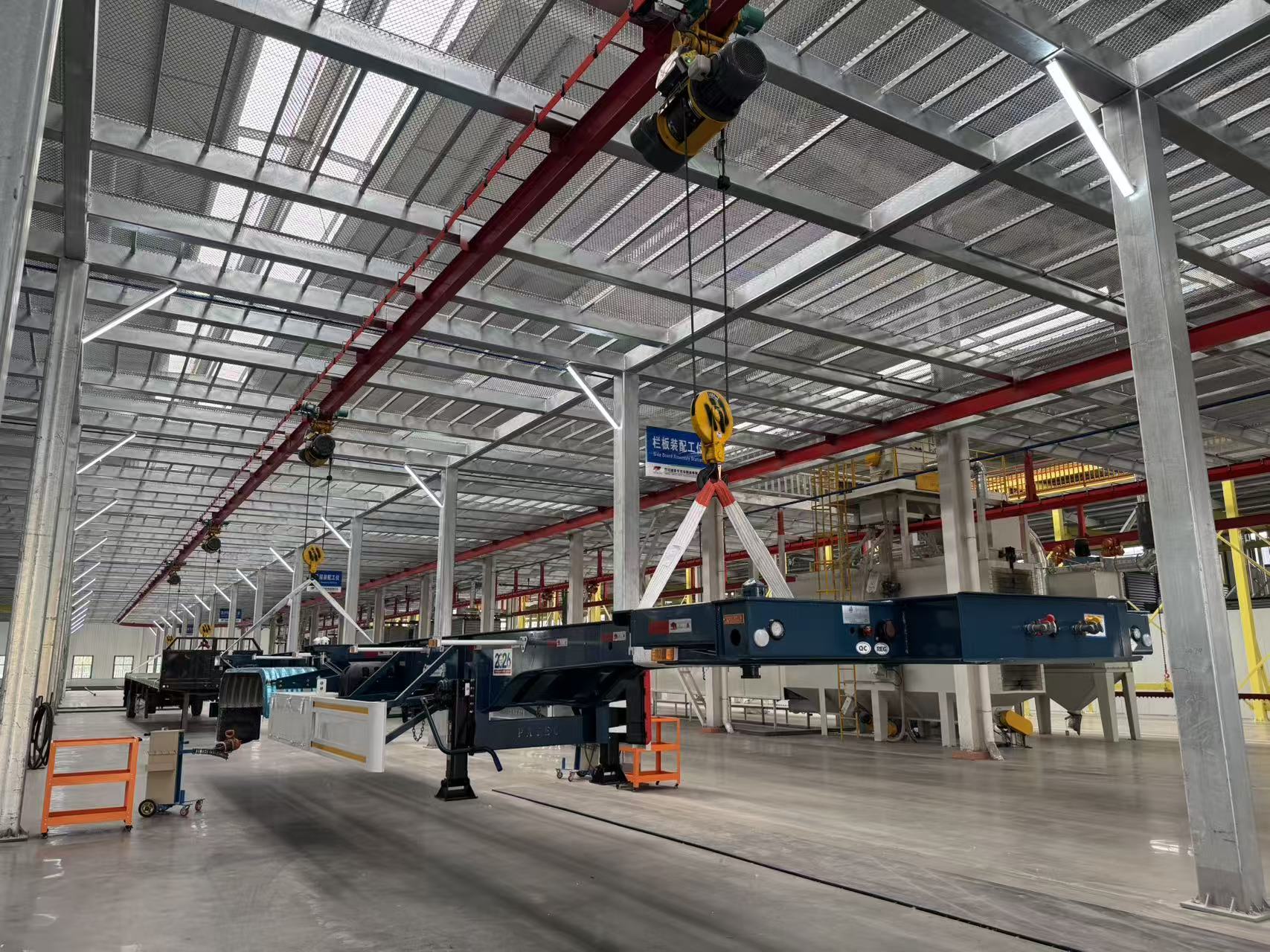
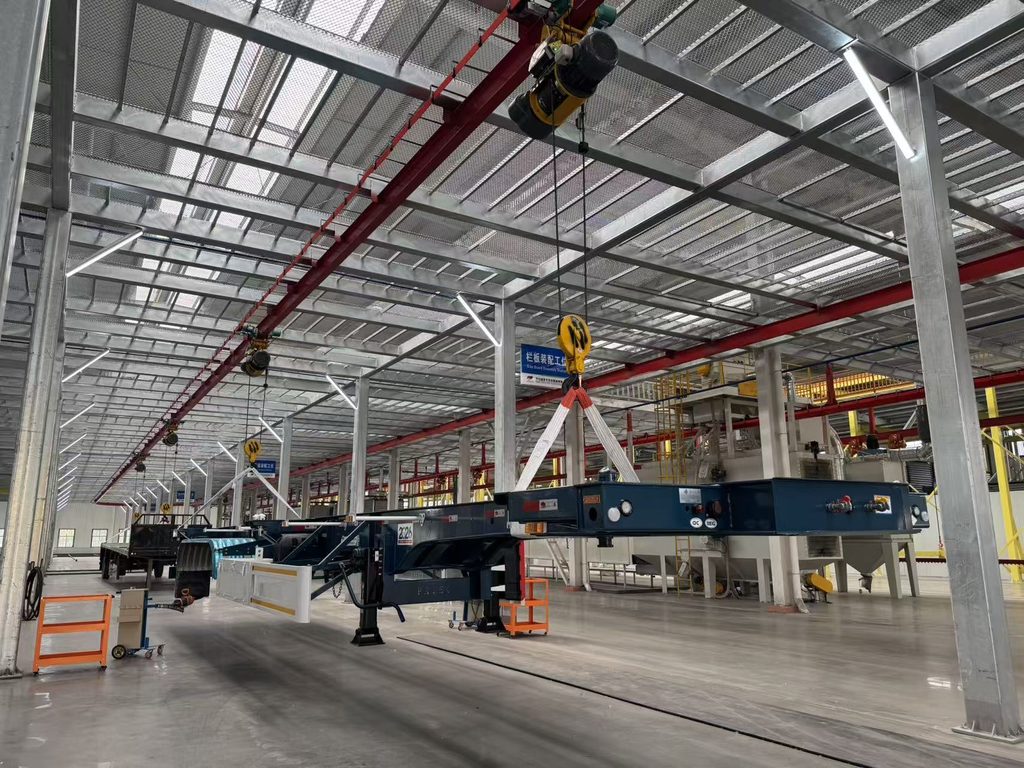
Highway safety relies on a combination of disciplined driving habits and structural vehicle integrity. Operating a 140-acre smart manufacturing facility with an annual production capacity of 9,000 units, Yuncheng Jianxing Special Vehicle Manufacturing Co., Ltd. engineers heavy-duty lowbed semi-trailers, container skeleton chassis, fence trailers, and dump trailers designed for high-speed highway stability and long-distance durability.
Serving as an OEM manufacturing partner for Sinotruk and Dongfeng Commercial Vehicle, Jianxing integrates 27 national utility model patents, ISO9001 and CCC quality certifications, and exports high-performance commercial vehicles to over 20 countries worldwide—including maintaining the No. 1 market share in Vietnam for 5 consecutive years.