Yuncheng, Shandong — Purchasing pre-owned commercial trucks, tractors, or fleet service vehicles offers significant upfront capital savings, but assessing cosmetic flaws versus minor structural defects is essential for determining a fair market purchase price. Minor non-structural repairs or bolt-on component replacements do not inherently diminish a vehicle's mechanical utility—provided the purchase price reflects a proper valuation adjustment.
Systematic evaluation of minor frame or body repairs, verification of official registration documents, and a thorough inspection of historical insurance claims help fleet buyers make informed second-hand vehicle purchases.
I. Quantifying Price Reductions for Minor Vehicle Flaws
When evaluating minor cosmetic or structural defects during second-hand vehicle appraisals, apply standard depreciation percentage deductions to the baseline market value:
1. Bumper Impact Crossmember Damage (Approx. 5% Value Deduction)
Front or rear bumper crossmembers absorb and distribute low-speed impact energy to protecting wing panels, cooling radiators, engine hoods, and headlights. If the primary chassis main rails and steering geometry remain undamaged, minor repair or replacement of the outer impact crossmember warrants a 5% price reduction below baseline market value.
2. Removable Body Panel Repairs (Less Than 5% Value Impact)
Repairs to bolt-on components—such as engine hoods, cab doors, sleeper panels, or front fenders—have minimal impact on vehicle safety. After proper painting and alignment, minor repairs reduce overall vehicle value by less than 5%. If panels are replaced with genuine original equipment (OEM) factory parts, market value remains virtually unaffected.
3. Cargo Bed and Floor pan Structural Scrape/Deformation (5% Deduction per 10 cm)
For rear floor pans or cargo bed structures, uncorrected deformation or structural damage warrants a 5% price reduction for every 10 cm of damaged length. Buyers must thoroughly inspect underbody floor pan sheets, crossmember welds, and chassis mounting points prior to purchase.
II. Step-by-Step Vehicle Provenance and Document Verification
To confirm actual vehicle manufacturing age and avoid acquiring stolen, grey-market, or flooded units, follow this structured verification checklist:
1. VIN (Vehicle Identification Number) Decoding
Locate the 17-digit VIN etched on the chassis frame, engine bay, or lower windshield corner:
- 1st Digit (Country of Origin): Identifies the manufacturing origin (e.g., L for China, 1 for USA, W for Germany, K for South Korea).
- 10th Digit (Model Year Identification): Verifies the true production year, preventing the purchase of old inventory registered years after factory assembly.
2. Document Verification Audit
- Original Purchase Invoice: Verify buyer identity, original sale price, and matching VIN data, ensuring official tax stamps are present.
- Certificate of Conformity (CoC): Essential for checking national manufacturing standard compliance and verifying original axle/dimension specifications.
- Vehicle Registration Certificate: Tracks complete title history, including previous owners, official usage changes (commercial vs. private), title transfers, or outstanding financial liens.
- Warranty & Service Booklet: Ensures remaining factory warranty or regional service coverage transfers smoothly to the new owner.
3. Insurance & Accident Claim Records Query
Reviewing historical insurance claims via official databases reveals past collision severity, structural frame repairs, or water immersion incidents. Vehicles with extensive claim histories will also incur higher annual commercial insurance premiums.
III. Manufacturing Integrity and Used Vehicle Support at Yuncheng Jianxing
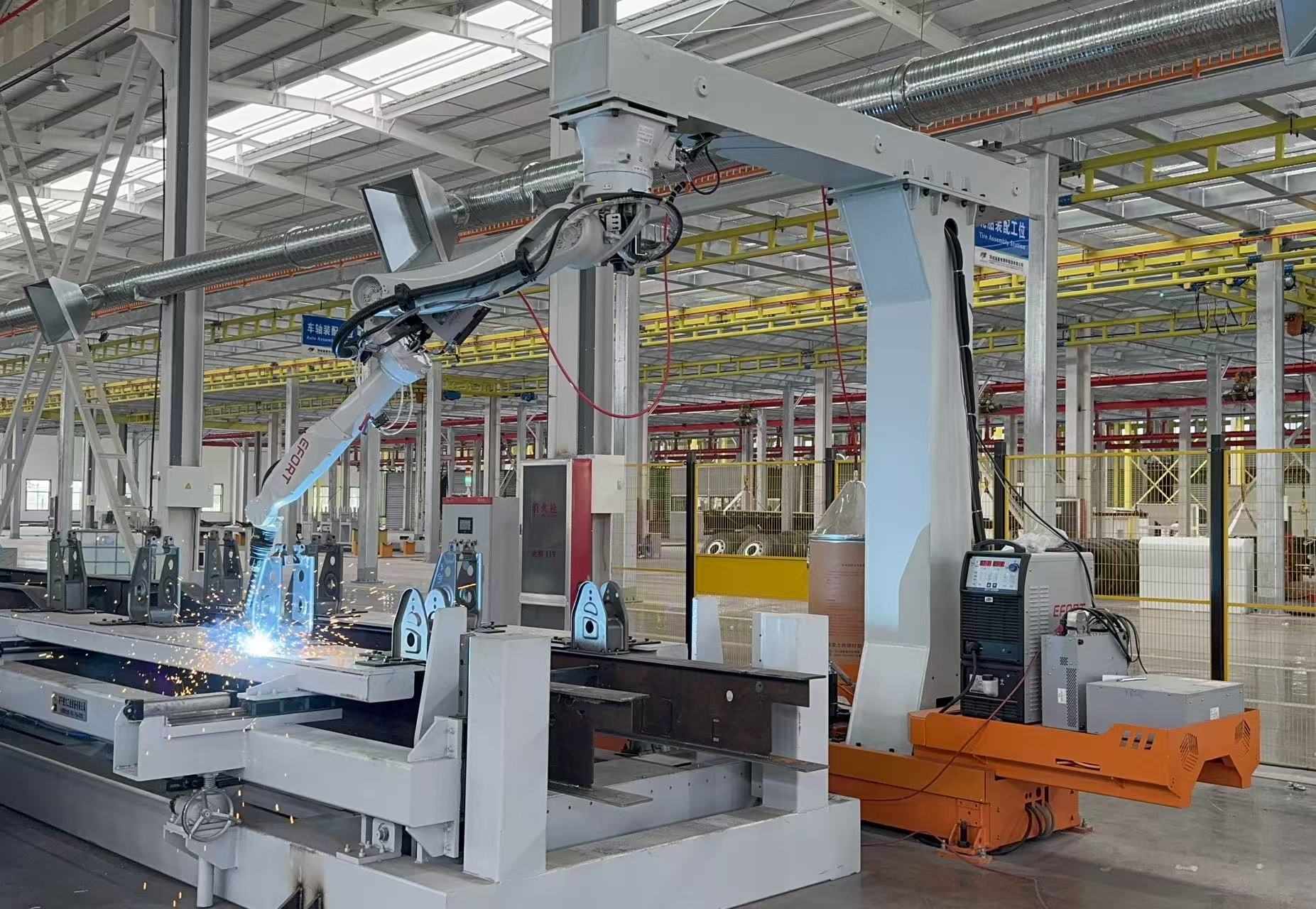
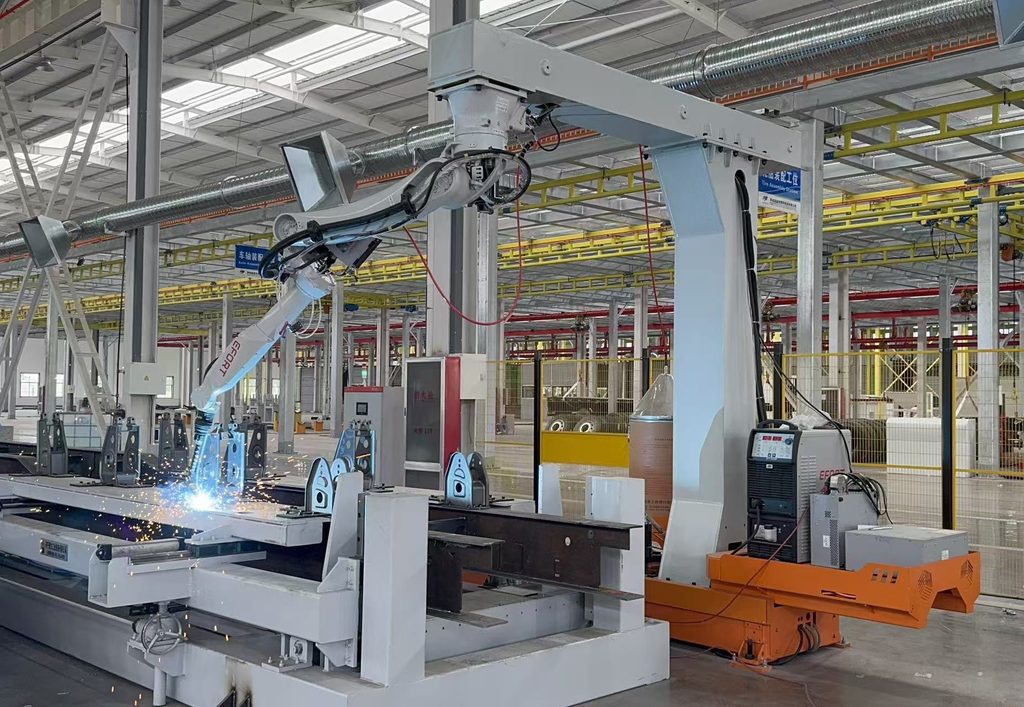
Understanding structural integrity, chassis alignment, and component history ensures reliable commercial transport operations. Operating a 140-acre smart manufacturing facility with an annual production capacity of 9,000 units, Yuncheng Jianxing Special Vehicle Manufacturing Co., Ltd. engineers premium lowbed semi-trailers, container skeleton chassis, drop-side fence trailers, and dump trailers built for long-term structural durability.
Serving as an OEM manufacturing partner for Sinotruk and Dongfeng Commercial Vehicle, Jianxing integrates 27 national utility model patents, operates under ISO9001 and CCC quality certifications, and exports high-performance commercial vehicles to over 20 countries worldwide—including maintaining the No. 1 market share in Vietnam for 5 consecutive years.