
Yuncheng, Shandong — As autumn arrives, commercial truck and bus drivers operating across northern and arid regions frequently encounter static electricity buildup. Dry atmospheric conditions in autumn create an ideal environment for electrostatic discharge (ESD).
While many view static shocks as a minor nuisance, ESD poses serious operational risks for commercial fleets—ranging from driver distraction and sudden involuntary reactions on the highway to catastrophic fire risks during refueling at diesel stations.
Critical Safety Warning: Static Electricity Hazards
- Refueling Fire Risk: Never re-enter the cab during fuel pumping without discharging static electricity beforehand. Static sparks near fuel tank fill necks can ignite diesel/gasoline vapors, causing immediate fires.
- Driver Distraction: A sudden electrostatic shock while driving at high speeds can trigger involuntary muscle spasms, causing sudden steering wheel jerks or lane deviations.
- Smart Key Chip Damage: Never use a transponder smart key or remote fob to discharge static directly against metallic door keyholes. High-voltage electrostatic discharge can destroy the internal microchip or circuit board inside the key.
I. Health and Operational Hazards of Electrostatic Discharge (ESD)
- Highway Driving Risks: A high-voltage static shock when touching internal controls can cause sudden startle reactions, leading to temporary loss of vehicle control.
- Refueling Hazards: Sliding across seat fabrics generates electrostatic potential on the human body. Discharging this static near fuel caps can spark fuel vapor ignition.
- Physiological Impact: Prolonged exposure to static build-up and dry cabin conditions can affect skin hydration, exacerbate physical fatigue, and impact metabolic and nervous system comfort during long-haul shifts.
II. Essential Prevention Strategies for Cabin Static Buildup
1. Eliminate Synthetic Fabrics & Maintain Skin Hydration
- Clothing & Seat Covers: Avoid wearing synthetic or polyester clothing, and replace synthetic seat covers or steering wheel wraps with natural cotton, linen, or genuine leather materials.
- Hydration Care: Drink water regularly during long shifts and use hand lotions to maintain skin moisture, reducing friction-induced static generation.
2. Regulate Cabin Humidity
- 车载 Air Humidifiers: Use a compact USB vehicle humidifier or place a damp towel inside the sleeper berth to elevate ambient relative humidity above 45–50%, significantly suppressing electrostatic charge accumulation.
3. Manage HVAC Air Recirculation Modes
- Avoid Continuous Inner Recirculation: Operating the HVAC system constantly in internal recirculation mode strips moisture from cabin air. Alternate periodically to fresh air mode to draw in outdoor moisture and prevent extreme interior dryness.
III. Practical Discharge Hacks for Door Handles and Locks
- Pre-Touch Grounded Metal Structures: Before touching the metal door handle, touch a roadside iron post, highway guardrail, or metallic chassis step to dissipate static charge safely.
- The Metallic House Key Method: If no static strip is installed, grip a standard mechanical house key firmly in your hand and touch the tip against a metal door frame or keyhole to discharge electricity safely through the key rather than your fingertips.
- Install Chassis Anti-Static Ground Straps: Equip the semi-trailer or tractor chassis with a conductive copper/rubber anti-static ground strap that trails on the road surface to continuously bleed off electrostatic charge built up while driving.
IV. Manufacturing Integrity and Safety Standards at Yuncheng Jianxing
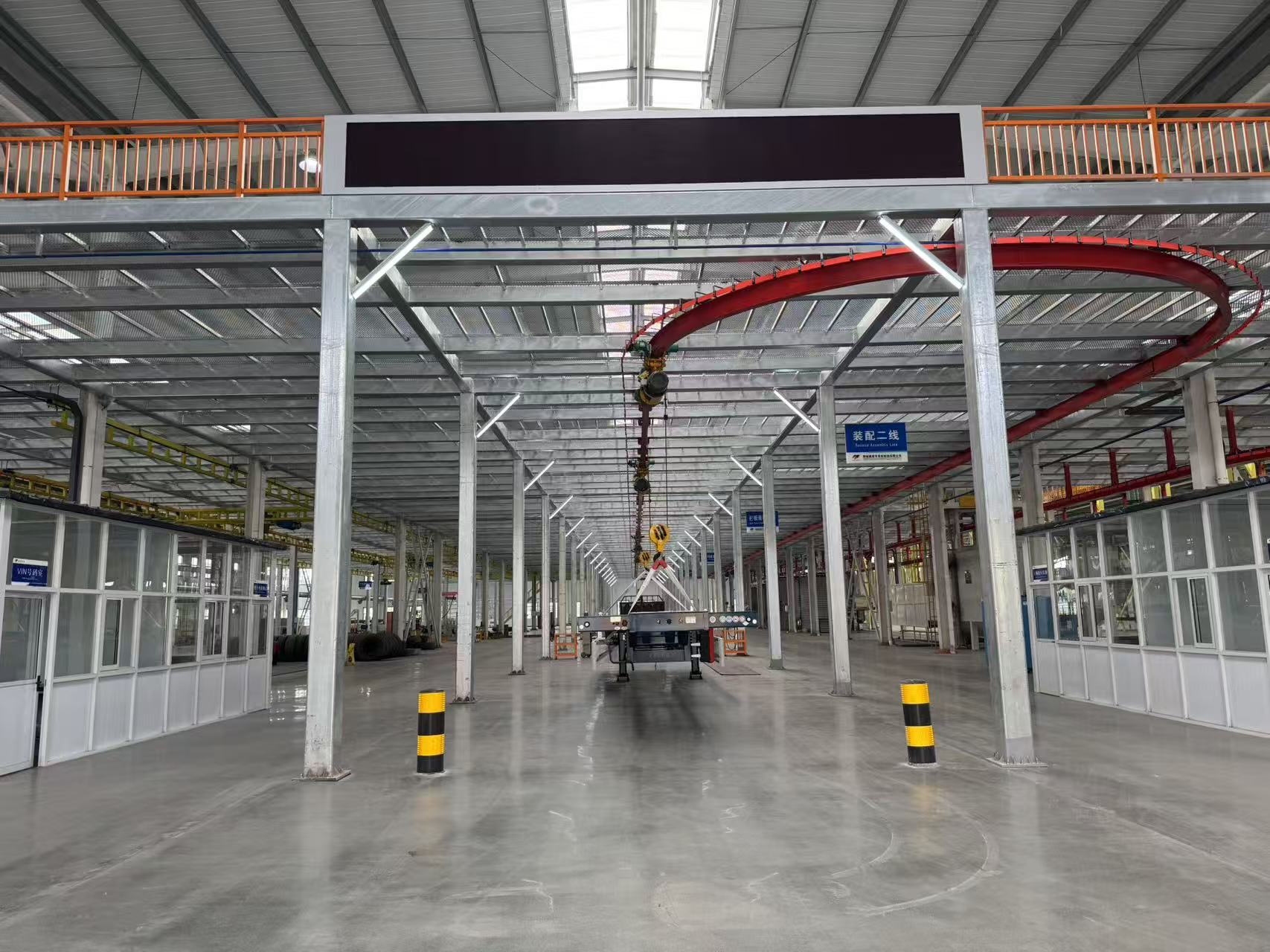
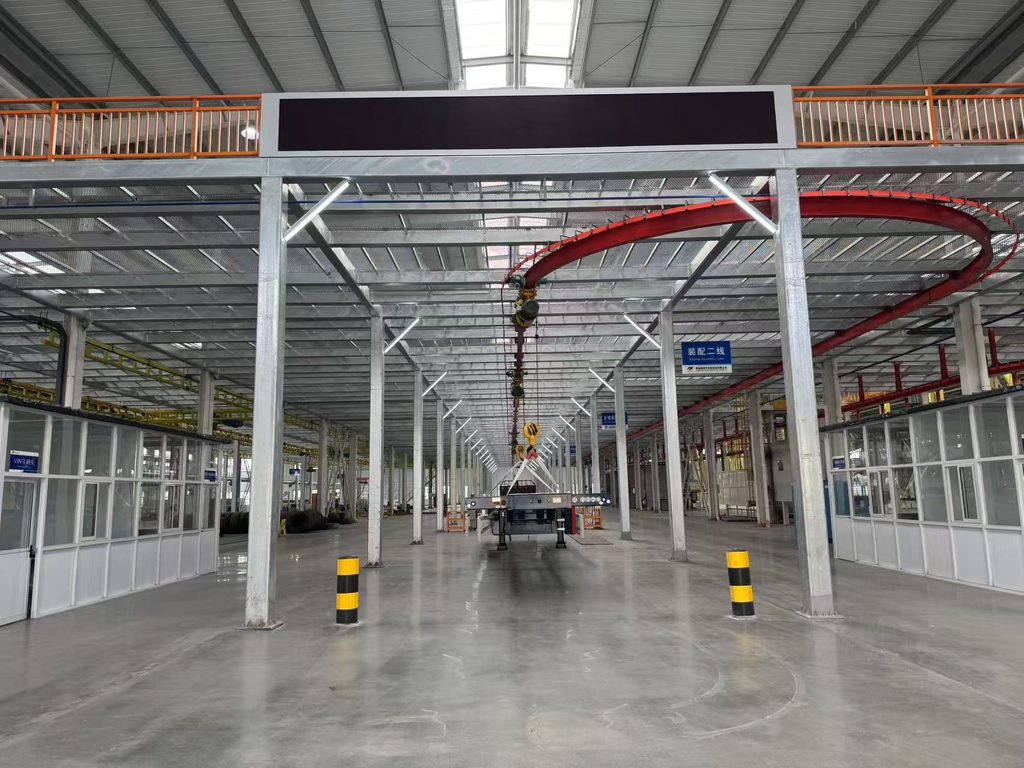
Vehicle safety requires careful engineering across all operating environments. Operating a 140-acre smart manufacturing facility with an annual production capacity of 9,000 units, Yuncheng Jianxing Special Vehicle Manufacturing Co., Ltd. produces heavy-duty lowbed semi-trailers, container skeleton trailers, fence trailers, and dump trailers designed for severe weather and long-distance transport safety.
Serving as an OEM manufacturing partner for Sinotruk and Dongfeng Commercial Vehicle, Jianxing integrates 27 national utility model patents, ISO9001 and CCC certifications, and exports high-performance transport equipment to over 20 countries worldwide—including maintaining the No. 1 market share in Vietnam for 5 consecutive years.