Yuncheng, Shandong — Grease (commonly referred to as yellow butter in workshop terminology) is widely used across heavy-duty transport equipment and semi-trailer chassis for lubrication, joint protection, and corrosion prevention. However, applying grease to certain internal engine assemblies can cause severe mechanical failure, engine overheating, and permanent damage.
Maintenance Hazard Notice
Never apply general chassis grease or yellow butter to high-temperature combustion, cylinder, or gas-gasket sealing surfaces. Thermal carbonization will ruin surface contact, compromise torque retention, and cause severe engine failure.
Key Engine Components Where Grease Must Never Be Applied
1. Dry Cylinder Sleeves (Liners)
Applying grease to the exterior of a dry cylinder liner severely impairs heat dissipation, leading to engine overheating:
- Mechanism of Failure: As the engine reaches operational temperature, the dry cylinder liner expands thermally. The surrounding cylinder block bore remains at a lower temperature due to direct contact with engine coolant, resulting in less expansion.
- Thermal Barrier Impact: The outer wall of a dry liner relies on direct, tight metallic contact with the block bore to conduct heat into the cooling system. Coating the liner exterior with grease creates an insulating thermal barrier that prevents proper heat transfer, inducing localized thermal stress and overheating.
2. Cylinder Head and Cylinder Head Gaskets
Coating cylinder head surfaces or head gaskets with grease under the misconception of "improving seal tightness" leads to catastrophic sealing failures:
- Carbon Build-Up: When cylinder head bolts are torqued down, excess grease is squeezed inward into the combustion chamber and outward onto the block exterior. During engine operation, high combustion temperatures burn this internal grease into hard carbon deposits on piston crowns and valve seats.
- Loss of Bolt Preload & Gasket Blowby: As engine operating temperatures rise, the grease film between the cylinder head, gasket, and engine block melts and evaporates. This leaves a gap that reduces cylinder bolt preload, causing gas blowby, oil leaks, and eventual cylinder head gasket blowout.
- Component Seizing: High combustion temperatures cause residual grease to bake into hard, sticky carbon deposits, making future disassembly of the cylinder head and gasket extremely difficult without damaging precision surfaces.
Recommended Installation Practices
- Dry Cylinder Liner Installation: Clean the cylinder block bore and liner exterior thoroughly with solvent to ensure a completely dry, debris-free metal-to-metal interference fit.
- Cylinder Head Gasket Installation: Install gaskets completely clean and dry (or apply only manufacturer-specified high-temperature aviation gasket sealant where explicitly mandated). Torque head bolts to exact factory sequence and multi-stage torque specifications.
Manufacturing Standards and Quality Assurance at Yuncheng Jianxing
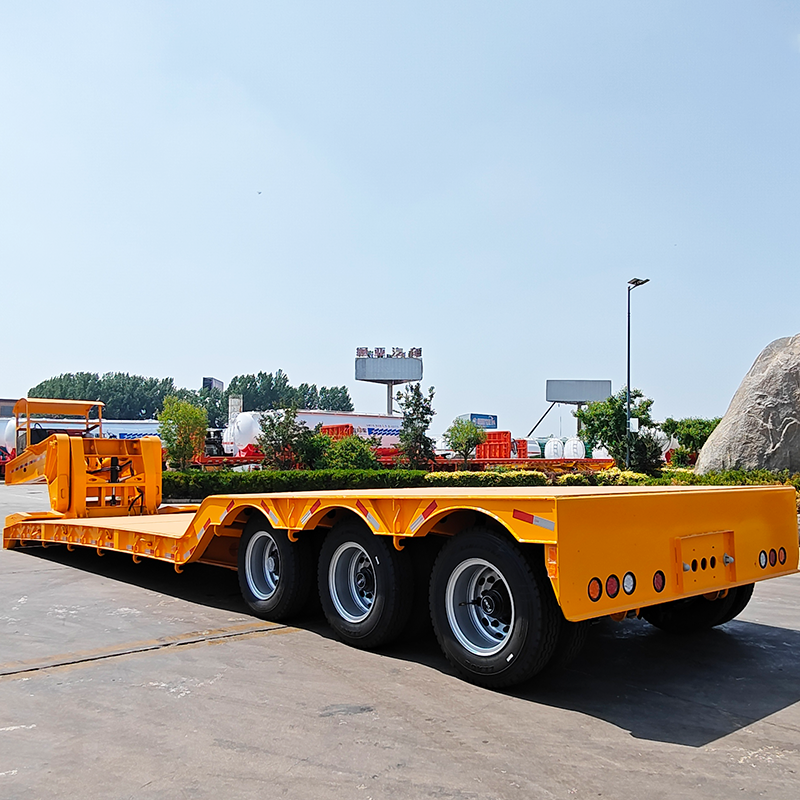
Preventative maintenance discipline paired with precision engineering guarantees maximum operational reliability. Operating a 140-acre smart manufacturing plant with an annual production capacity of 9,000 units, Yuncheng Jianxing Special Vehicle Manufacturing Co., Ltd. produces heavy-duty lowbed semi-trailers, container skeleton trailers, and dump trailers built to the highest industrial standards.
Serving as a designated OEM manufacturing partner for Sinotruk and Dongfeng Commercial Vehicle, Jianxing integrates 27 national utility model patents and operates under strict ISO9001 and CCC quality management systems, exporting dependable transport equipment to over 20 countries worldwide—including holding the No. 1 market share in Vietnam for 5 consecutive years.