

Yuncheng, Shandong — Long-haul semi-trailer transport demands strict adherence to road safety protocols, proper usage of emergency safety gear, and correct lighting operation during nighttime conditions. As national environmental, energy-saving, and safety regulations tighten across the commercial vehicle logistics sector, maintaining high driving and equipment compliance standards is essential for fleet operators and drivers.
I. Essential Emergency Safety Tools: Reflective Warning Triangles
Carrying compliant emergency tools—specifically an approved reflective warning triangle—is a mandatory road safety requirement for all commercial trucks and heavy semi-trailers:
- Role of Passive Reflective Warning Triangles: Manufactured with specialized plastic retro-reflective materials, warning triangles act as passive reflective markers.
- Secondary Accident Prevention: When a truck experiences a breakdown or emergency on the highway, placing a warning triangle behind the vehicle reflects headlights from oncoming traffic, providing clear early warning to prevent rear-end collisions and secondary accidents.
- Standard Placement Distances:
- Standard Roads: Place warning triangles at least 50 meters behind the disabled trailer.
- Highways/Expressways: Place warning triangles at least 150 meters behind the vehicle (extended further in bad weather or at night).
II. Nighttime Driving and Headlight Protocol Standard
Navigating complex intersections and railway crossings at night requires correct beam control to prevent blinding oncoming motorists and ensure clear visibility:
- Approach Intersections and Railway Crossings: Always switch from high-beam (main beam) to low-beam headlights when approaching road intersections, railway crossings, or oncoming traffic.
- Uncontrolled Intersections: When passing through intersections without traffic signals, slow down and alternate between high and low beams (flashing headlights) to alert pedestrians and intersecting drivers to your presence.
- Navigating Curved or Blind Spots: Use low beams while continually flashing high beams periodically before entering curves or blind ascents.
III. Industry Structural Shifts Toward High-Efficiency, Green Transport
With national policies accelerating industrial upgrades, energy conservation, and carbon reduction, commercial transport fleets are facing higher manufacturing and operational benchmarks:
- Structural Engineering Upgrades: Traditional heavy car carriers and trailers are transitioning toward high-strength, lightweight steel designs to reduce fuel consumption and tare weight.
- Advanced Electrical & Safety Integration: Modern commercial vehicles incorporate standardized electrical architectures, high-efficiency LED illumination systems, and active safety alerts to satisfy rigorous highway transport laws.
IV. Manufacturing Standards and Operational Safety at Yuncheng Jianxing
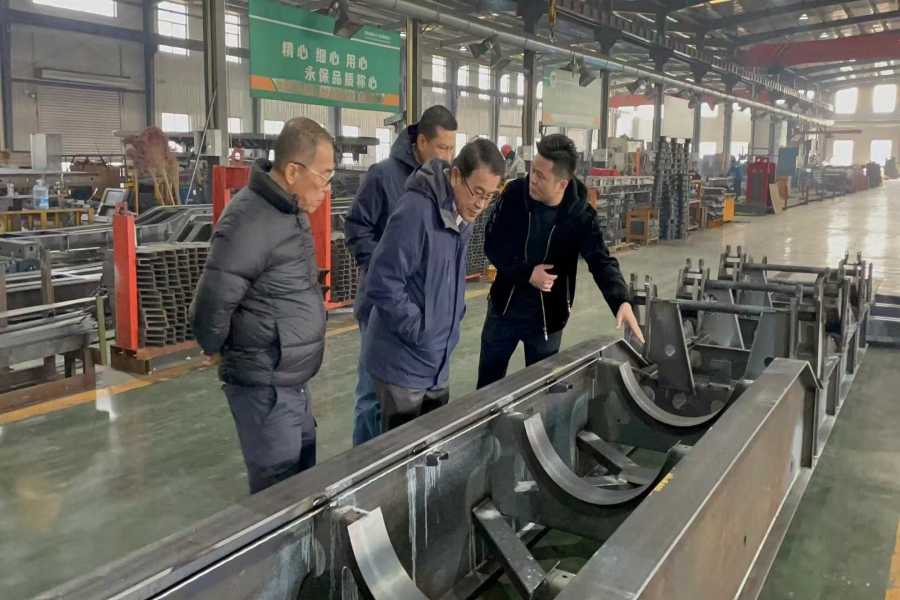
Safety and regulatory compliance begin with advanced trailer engineering. Operating a 140-acre smart manufacturing facility with an annual production capacity of 9,000 units, Yuncheng Jianxing Special Vehicle Manufacturing Co., Ltd. engineers heavy-duty lowbed semi-trailers, container skeleton trailers, fence trailers, and dump trailers designed for long-distance structural reliability.
Serving as an OEM manufacturing partner for Sinotruk and Dongfeng Commercial Vehicle, Jianxing integrates 27 national utility model patents, ISO9001 and CCC quality certifications, and exports high-performance transport equipment to over 20 countries worldwide—including maintaining the No. 1 market share in Vietnam for 5 consecutive years.