

Yuncheng, Shandong — Road safety authorities actively enforce mandatory vehicle inspection standards across commercial transport corridors. During targeted traffic audits in regional logistics parks, traffic enforcement units utilize automated license plate recognition (ALPR) and big-data monitoring to intercept heavy commercial trailers operating past their official annual inspection deadlines.
Operating an uninspected commercial semi-trailer creates severe legal and financial risks for fleet operators—including impoundment, driver points deduction, mandatory vehicle deregistration, and total forfeiture of insurance coverage in the event of an accident.
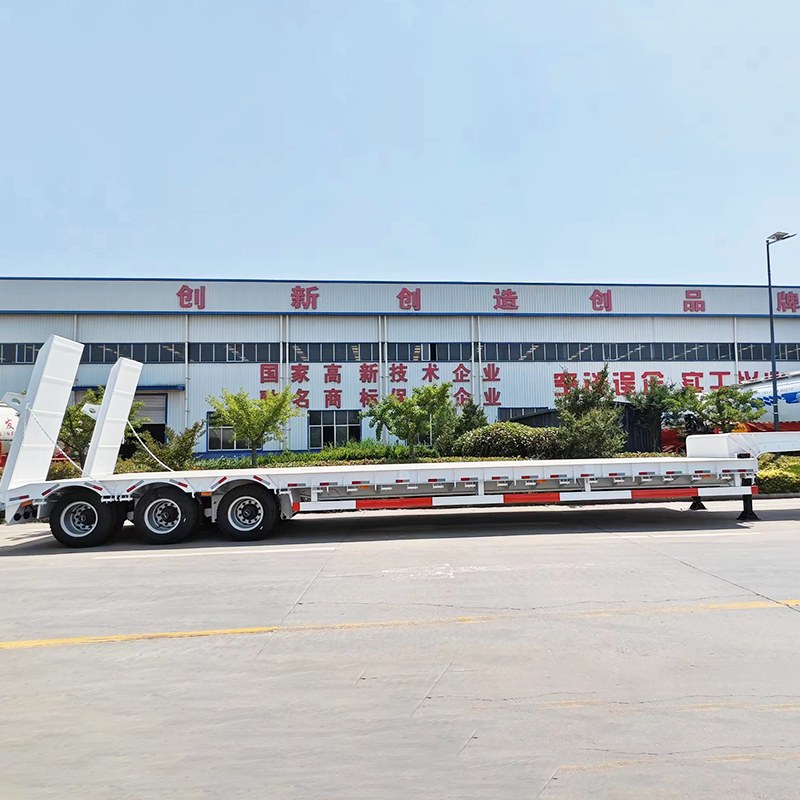
I. Legal Penalties and Financial Risks of Overdue Semi-Trailer Audits
When a commercial tractor-trailer operates beyond its certified inspection validity date, fleet owners face immediate legal and operational consequences:
1. Fines, Driver Points, and Vehicle Impoundment
For commercial vehicles operating less than 1 year past their inspection deadline, traffic authorities will impound the vehicle, issue a monetary fine, and assess penalty points against the driver's commercial license.
2. Mandatory Vehicle Deregistration (Scrapping)
Under national motor vehicle registration rules, if a commercial vehicle fails to obtain an inspection pass certificate for 3 consecutive inspection cycles, the vehicle registration is automatically canceled and mandated for official scrap disassembly.
3. Total Forfeiture of Insurance Claims
Driving an uninspected vehicle constitutes illegal road operation. If an uninspected semi-trailer is involved in a traffic accident, insurance underwriters will deny all third-party liability and hull damage claims, leaving the fleet owner fully liable for medical and property damages.
II. Step-by-Step Annual Inspection Renewal Procedure for Semi-Trailers
To ensure a smooth annual inspection process and avoid operational delays, follow this structured preparation workflow:
1. Clear Outstanding Traffic Violations
Before scheduling an inspection appointment, check traffic management databases and settle all outstanding traffic citations and administrative fines associated with both the tractor unit and the trailer plate.
2. Prepare Mandatory Documentation
Ensure all required paperwork is valid and current:
- Vehicle Registration Certificate and original Driving License card.
- Valid Commercial Vehicle Mandatory Third-Party Liability Insurance policy copy.
- Vehicle and Vessel Tax payment verification.
3. Pre-Inspection Technical Audit
Inspect critical safety systems before driving to the testing station:
- Braking System: Test service brakes, parking brakes, and ABS valve response.
- Lighting and Reflective Tape: Ensure all side marker lamps, brake lights, turn indicators, and mandatory body reflective contour markings meet legal visibility standards.
- Tire Tread & Chassis Integrity: Check tire tread depth across all axles, inspect Kingpin alignment, and verify chassis subframe welds for structural cracks.
- Underbody Safety Equipment: Verify side protection guards, rear anti-underrun bumpers, and rubber mudflaps are properly mounted.
III. Manufacturing Compliance and Engineering Integrity at Yuncheng Jianxing
Ensuring long-term vehicle compliance begins with rigorous factory manufacturing standards and certified national approvals. Operating a 140-acre smart manufacturing facility with an annual production capacity of 9,000 units, Yuncheng Jianxing Special Vehicle Manufacturing Co., Ltd. engineers heavy-duty lowbed semi-trailers, container skeleton chassis, drop-side fence trailers, and dump trailers fully compliant with national safety standards.
Serving as a designated OEM manufacturing partner for Sinotruk and Dongfeng Commercial Vehicle, Jianxing integrates 27 national utility model patents, operates under ISO9001 and mandatory CCC quality certifications, and exports fully compliant commercial vehicles to over 20 countries worldwide—including maintaining the No. 1 market share in Vietnam for 5 consecutive years.