

For heavy-duty transport operators and logistics fleets, active safety is always the highest priority on the road. Proper maintenance of semi-trailers is essential not only to prevent downtime and lower operating costs, but to extend vehicle service life under demanding hauling conditions.
Based on extensive operational data and field service expertise from leading trailer engineers, Yuncheng Jianxing Special Vehicle Manufacturing Co., Ltd.—a premier China-based exporter of heavy-duty lowbed semi-trailers, container skeleton trailers, and dump trailers—has compiled this ultimate semi-trailer inspection, braking system, and maintenance guide to help international drivers and fleet operators maintain maximum uptime.
I. Major Semi-Trailer Assemblies Overview
To ensure optimal structural integrity and load distribution, drivers must understand the main mechanical assemblies of heavy-duty semi-trailers:
- Suspension System (Rigid / Mechanical / Air): Transmits multi-axial loads and absorbs road impacts, protecting both cargo and frame structure.
- Axle and Wheel Hub System: Mounted beneath the suspension, available in single-, double-, or triple-axle configurations (such as 14.3m 3-axle or 16.3m 4-axle lowbed models). Wheel rims and tires are securely fastened to wheel hubs using high-tensile wheel bolts to bear total vehicle gross weight.
- Landing Gear System: Enables stable, independent parking when uncoupled from the tractor unit. Available in single-action or two-speed linkage designs (screw drive, bevel gear mechanisms, reduction gearboxes, and operating crank handles).
- Operation Rule: Push handle inward for high-speed raising/lowering; pull outward for low-speed gearing. Always use low-speed mode when landing legs contact the ground under heavy loads.
- Kingpin & Upper Coupler Plate: Located at the front underside of the main frame, interacting directly with the tractor's fifth wheel to transmit longitudinal towing and braking forces.
II. Trailer Electrical System Architecture
The electrical system transmits light and indicator signals from the tractor to the semi-trailer via a coiled cable connected to the trailer’s front socket. Built to international standards, it consists of a standard 7-pin ISO socket, multi-core wiring harness, junction box, waterproof connectors, and full LED signal lamp assemblies.
Key Component: Standard 7-Pin Electrical Socket Diagram & Signal Mapping ensures seamless compatibility between global tractor brands (e.g., Sinotruk, Dongfeng, Shacman) and custom trailer builds.
III. Pneumatic Braking System & Key Valve Components
The semi-trailer pneumatic braking system relies on three core pneumatic control units: Emergency Relay Valves, ABS Valves, and Brake Chambers.
- Emergency Relay Valve: Replaces traditional individual braking, distribution, and quick-release valves. It triggers automatic emergency braking if the supply line breaks or air pressure drops unexpectedly, shortening brake lag and accelerating brake release.
- Anti-Lock Braking System (ABS): An electronic safety framework comprising the ABS ECU, solenoid valves, wiring harness, wheel speed sensors, and exciter rings. Works in tandem with the relay valve to monitor wheel rotation speed. If a sensor detects zero rotational speed, the solenoid valve instantly modulates line pressure to prevent wheel lockup and jackknifing.
- Brake Chambers: Converts pneumatic pressure into mechanical force applied to the brake shoes against the drum.
IV. Semi-Trailer Braking Modes & Operational Dynamics
The braking system integrates pneumatic couplers, air supply lines, control lines, air reservoirs, brake chambers, relay valves, ABS valves, and wheel brakes.
- Service Braking (Foot Brake): Standard operating mode controlled via the foot pedal to decelerate or bring the vehicle to a smooth stop.
- Parking Braking (Hand Brake): Mechanical/spring-actuated braking applied when the vehicle is stationary to prevent rolling on inclines.
- Emergency Air-Cut Braking (Emergency Brake): Triggers automatically if the main air supply line breaks or leaks severely. If the control line breaks, foot braking fails, but emergency air-cut braking safeguards the vehicle.
Pneumatic Brake Operation States:
- Normal Service Braking: Pressing the brake pedal sends air through Control Line ① to Emergency Relay Valve ⑤. Valve ⑤ routes air from Air Reservoir ⑥ into Brake Chambers ④. Releasing the pedal prompts the relay valve to dump compressed air rapidly, immediately disengaging brakes.
- Feedback Braking During Air Charge: When a trailer has been parked long-term without air pressure, the parking brake engages. When the tractor begins charging Air Reservoir ⑥ via Supply Line ②, Emergency Relay Valve ⑤ temporarily enters a safety status, applying braking force to Chambers ④ until reservoir pressure reaches 4.5 bar, ensuring safety during initial charge.
- Emergency Air-Leak Braking: If Air Supply Line ② sustains damage during transit, high-pressure air stored in Reservoir ⑥ is redirected by Valve ⑤ into Brake Chambers ④, instantly locking the brakes automatically to safely halt the vehicle.
V. Routine Inspection & Maintenance Schedules
Systematic preventive maintenance avoids safety hazards and minimizes total cost of ownership (TCO) over thousands of operational kilometers.
1. Wheel Hub & Axle Service Intervals
Full wheel hub maintenance includes dismantling hubs, cleaning spindle ends and inner/outer bearings, removing degraded grease, repacking with premium lithium grease, inspecting bearing wear, and checking brake drum/lining thickness.
- FUWA Axles: Every 50,000 – 70,000 km.
- BPW Standard Axles: Every 120,000 – 150,000 km.
- VALX Axles: Every 2 Years or 400,000 km (1 Year or 200,000 km post-maintenance).
- BPW Eco Plus (400K / 600K): Every 2 Years / 400,000 km or 3 Years / 600,000 km.
2. Chassis Greasing Points
- Application Areas: Landing gear gears/screws, automatic slack adjusters, brake camshafts, equalizer beam pins (balance beam), and leaf spring bushings.
- Service Interval: Every 15 to 30 days under active duty, or immediately after operating through severe heavy rainstorms. Idle trailers must be thoroughly greased prior to re-entering service.
VI. Container Box Body & Tire Maintenance
Container Box Body Repair Techniques:
- Patching / Welded Plates: Suitable for localized punctures, cracks, or side sheet tears.
- Component Replacement: Recommended for extensive panel deformation or structural steel damage.
- Putty & Paint Touch-ups: Applied to minor scuffs, scratch repairs, and paint layer touch-ups to retain anti-corrosion performance.
- Structural Adhesive / Sealants: Essential for compound sandwich panel cracks, top plate joints, and weather-proofing rain leaks.
- Sheet Metal & Frame Realignment: Used to straighten bent hinges, lock rods, corner castings, and door locks.
About Yuncheng Jianxing Special Vehicle Manufacturing Co., Ltd.
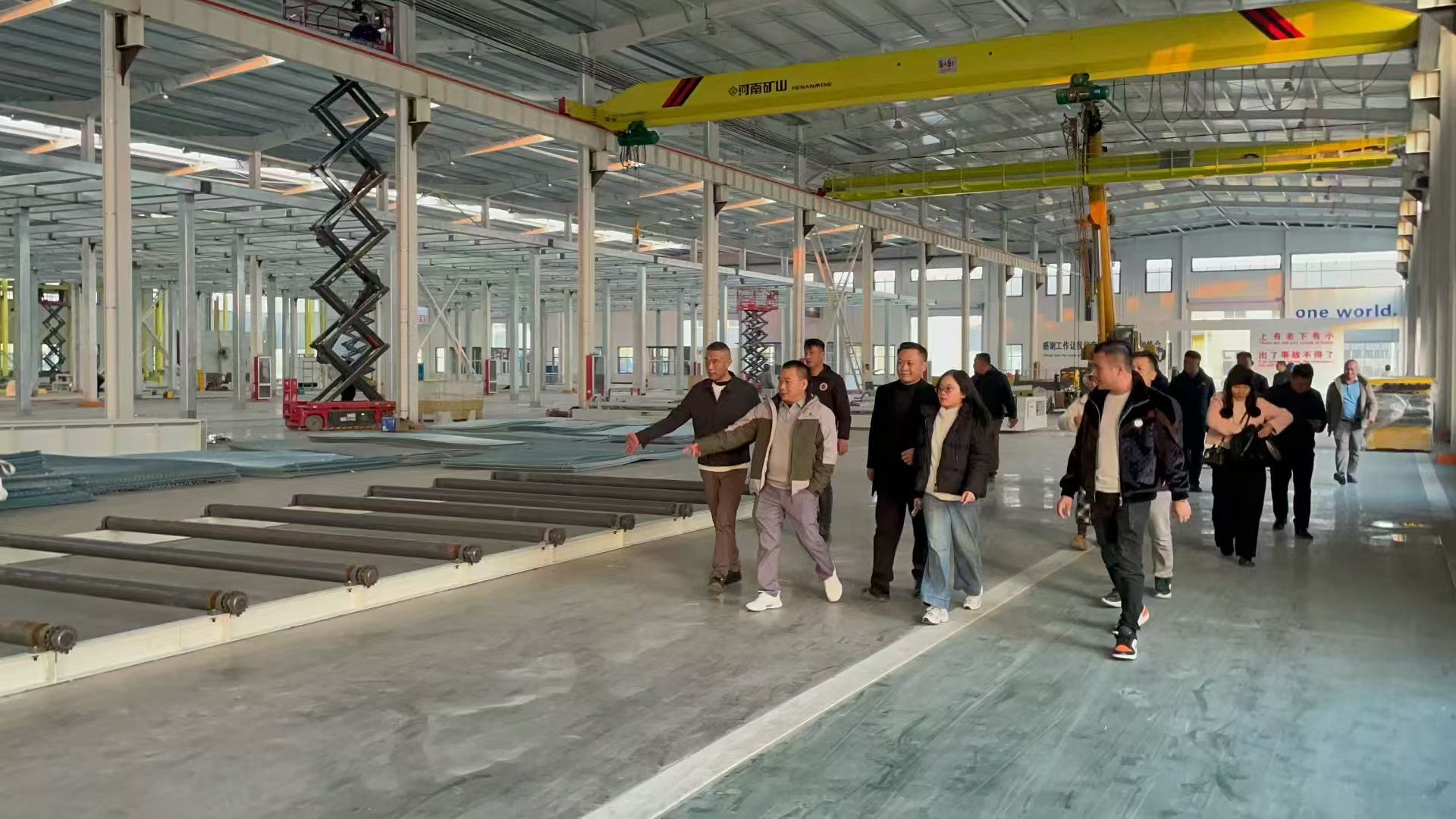
Located in the Shandong Yuncheng Economic Development Zone, Yuncheng Jianxing is a leading specialized trailer manufacturer and designated OEM production unit for China National Heavy Duty Truck Group (Sinotruk) and Dongfeng Commercial Vehicle. Operating a 140-acre smart manufacturing facility with an annual capacity of 9,000 units, ISO9001 and CCC certifications, and 27 national utility model patents, Jianxing delivers custom 12-category semi-trailer solutions to over 20 countries worldwide.